
Engineering Standards Are Not About Rules
They’re About Surviving Change

Most software systems don’t collapse because engineers are unintelligent.
They collapse because small compromises slowly become normal.
A warning gets ignored.
A duplicated logic stays “for now.”
A rushed workaround survives six months longer than expected.
Then one day, the codebase becomes difficult to change, difficult to trust, and difficult to scale.
While reading The Pragmatic Programmer, one idea kept resurfacing:
Good engineering is not about writing clever code.
It’s about building systems that remain adaptable under pressure.
That changes how you look at craftsmanship completely.
The Real Foundation: Personal Responsibility
One of the strongest ideas in pragmatic engineering is simple:
Your career, your code quality, and your technical growth are your responsibility.
Professional engineers don’t just report problems.
They bring options.
There’s a huge difference between:
explaining why something failed
and taking ownership of improving it
That mindset directly affects team culture.
Small Problems Quietly Destroy Systems
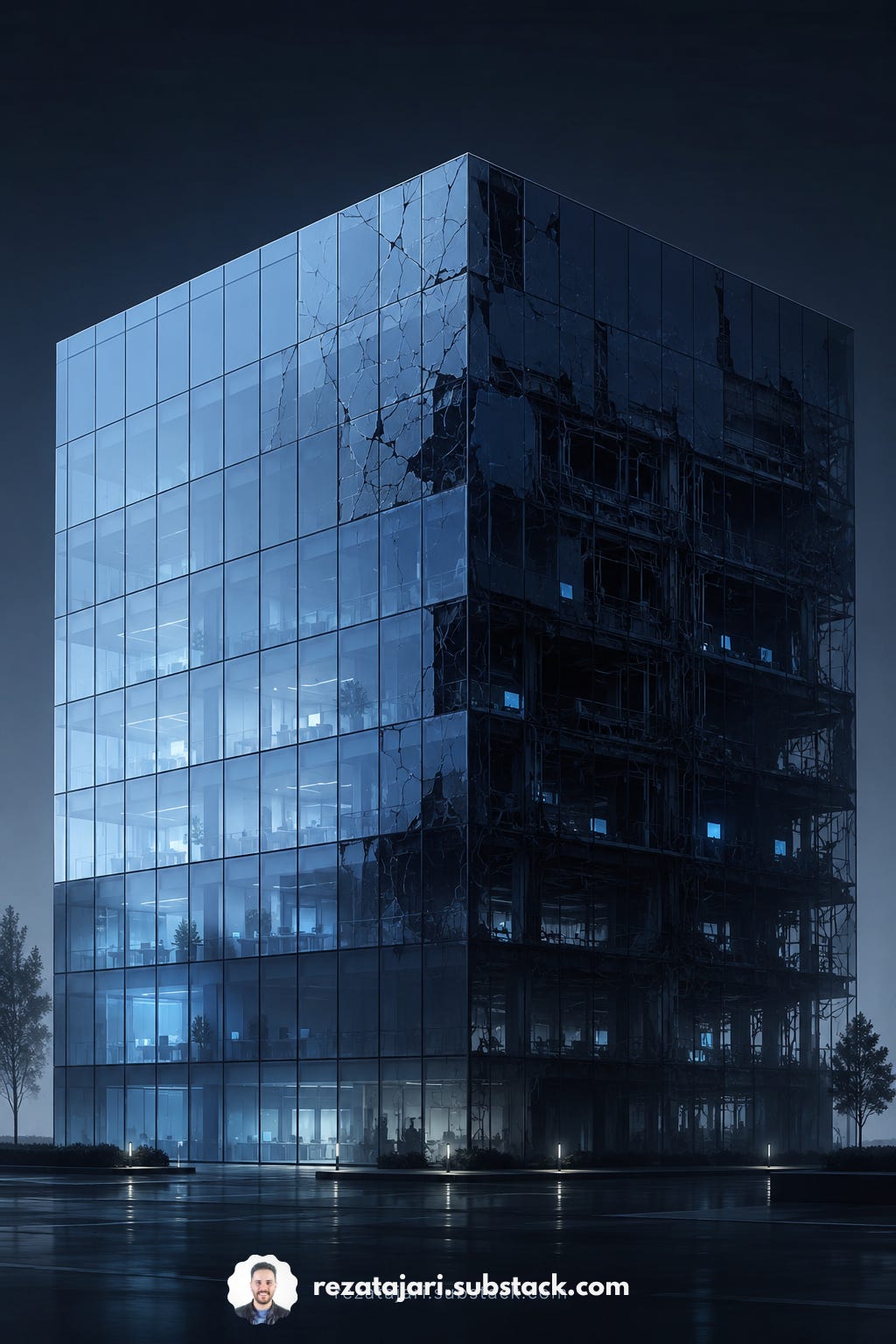
One neglected issue rarely kills a project.
But repeated neglect does.
This is where the “Broken Windows” idea becomes powerful in software.
If engineers regularly ignore:
warnings
messy code
unclear naming
temporary hacks
the team slowly accepts lower standards as normal.
And software entropy accelerates.
The important part is this:
Quality decay is usually gradual, not dramatic.
The Best Architecture Principle Is Surprisingly Simple
A lot of teams debate patterns, frameworks, and technologies endlessly.
But one practical question cuts through most architectural discussions:
“Does this make the system easier or harder to change?”
That’s it.
A good architecture is not the most complex one.
It’s the one that stays adaptable when requirements inevitably shift.
This idea connects directly to several important engineering principles:
avoiding duplicated knowledge
reducing coupling between modules
designing reversible decisions
minimizing blast radius during change
In practice, flexibility becomes more valuable than perfection.
Feedback Beats Prediction
Traditional engineering often assumes we can predict everything upfront.
Real software doesn’t work that way.
Requirements move.
Users behave differently than expected.
Systems evolve under pressure.
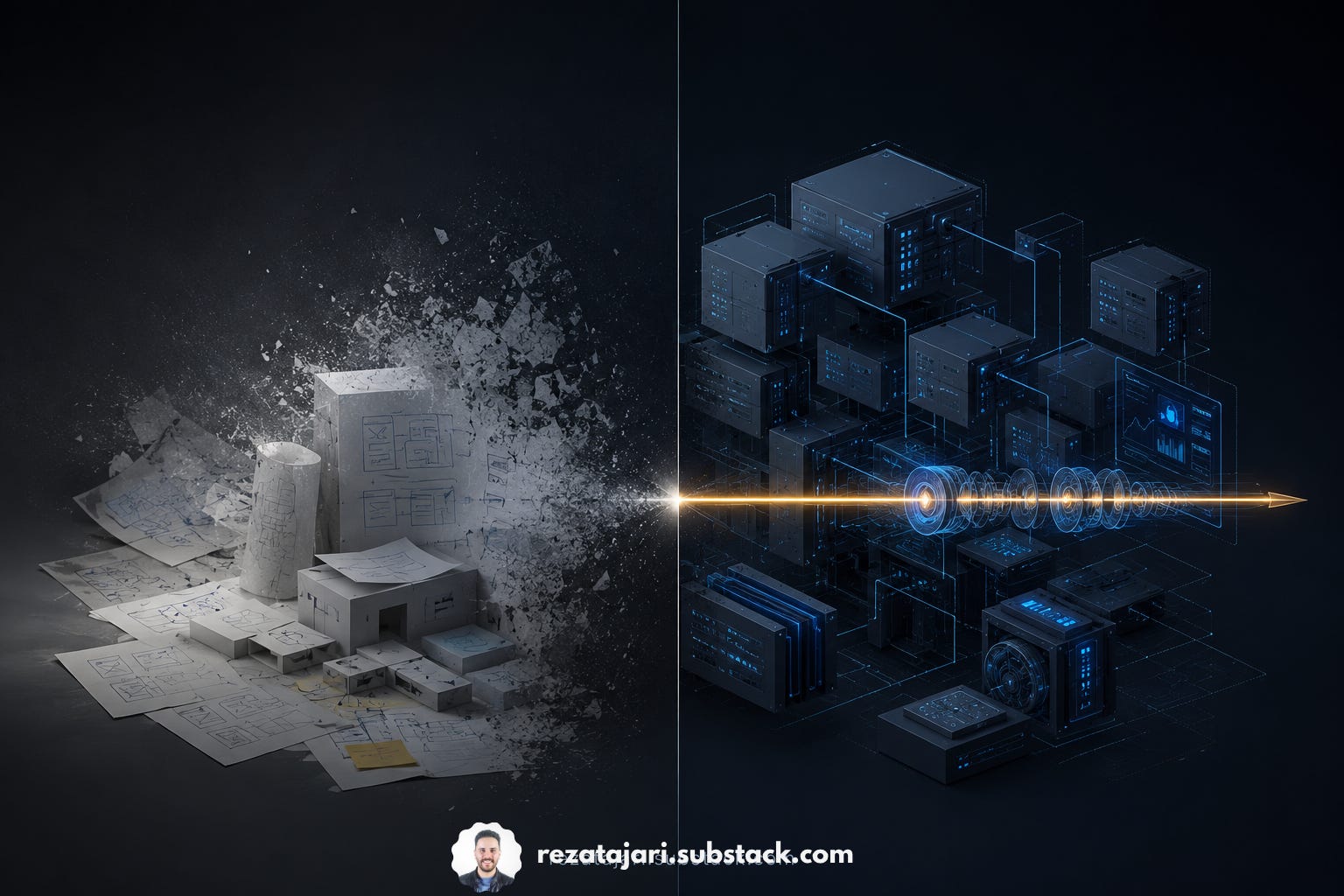
That’s why pragmatic teams optimize for fast feedback instead of perfect prediction.
One concept I found especially useful is the difference between:
Prototypes vs Tracer Bullets
A prototype is disposable learning.
A tracer bullet is different:
it’s a thin real implementation that moves through the actual architecture and validates whether the system works under real conditions.
That distinction matters more than most teams realize.
Defensive Engineering Is Not Pessimism
Another powerful idea:
Good engineers assume mistakes will happen.
Not because they are careless,
because complex systems always produce surprises.
This leads to practical habits like:
assertions
regression tests
validation boundaries
fail-fast behavior
automation
One line from the book stayed with me:
A dead program is safer than a corrupted one.
Especially in backend systems, silent corruption is often far more dangerous than visible failure.

Testing Is a Design Tool
One mindset shift many developers experience late:
Testing is not only for verification.
It also exposes bad design.
If a component is painful to test,
there’s a good chance the architecture itself is too tightly coupled.
In that sense, tests become your first architectural feedback loop.
Not just a QA step.
Great Engineers Think Beyond Tickets
Users don’t care about elegant abstractions.
They care whether the software solves their problem reliably.
That sounds obvious,
but many systems become overly focused on internal technical beauty while ignoring real operational value.
Pragmatic engineering constantly reconnects technical decisions back to:
maintainability
adaptability
usability
long-term operational stability
Because the goal is not just shipping features.
The goal is building systems teams can continue evolving years later.
Final Thought
One of the biggest takeaways I had from The Pragmatic Programmer is this:
Professionalism in software engineering is not a title.
It’s a collection of small daily decisions.
Fixing small issues early.
Designing for change.
Reducing unnecessary complexity.
Taking responsibility for outcomes.
Building systems other humans can safely evolve.
That is what pragmatic craftsmanship actually looks like.